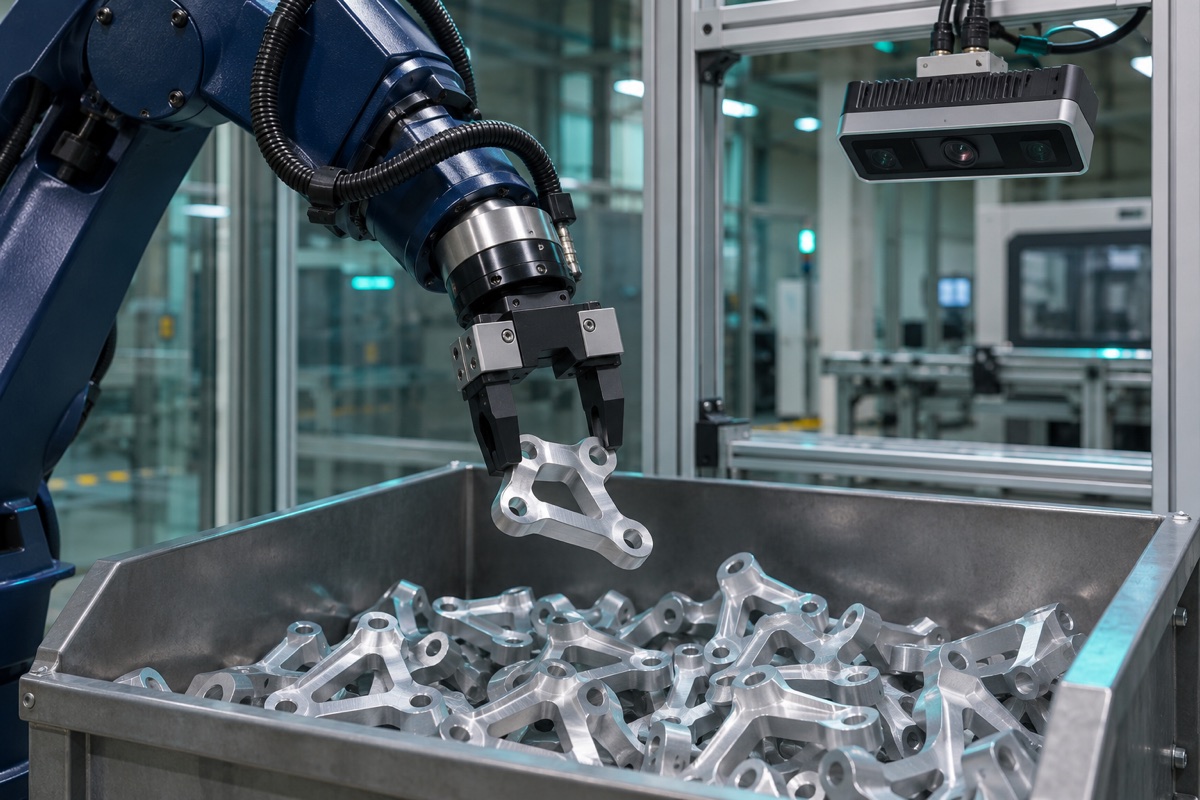
Good parts are rejected. Real defects still get through.
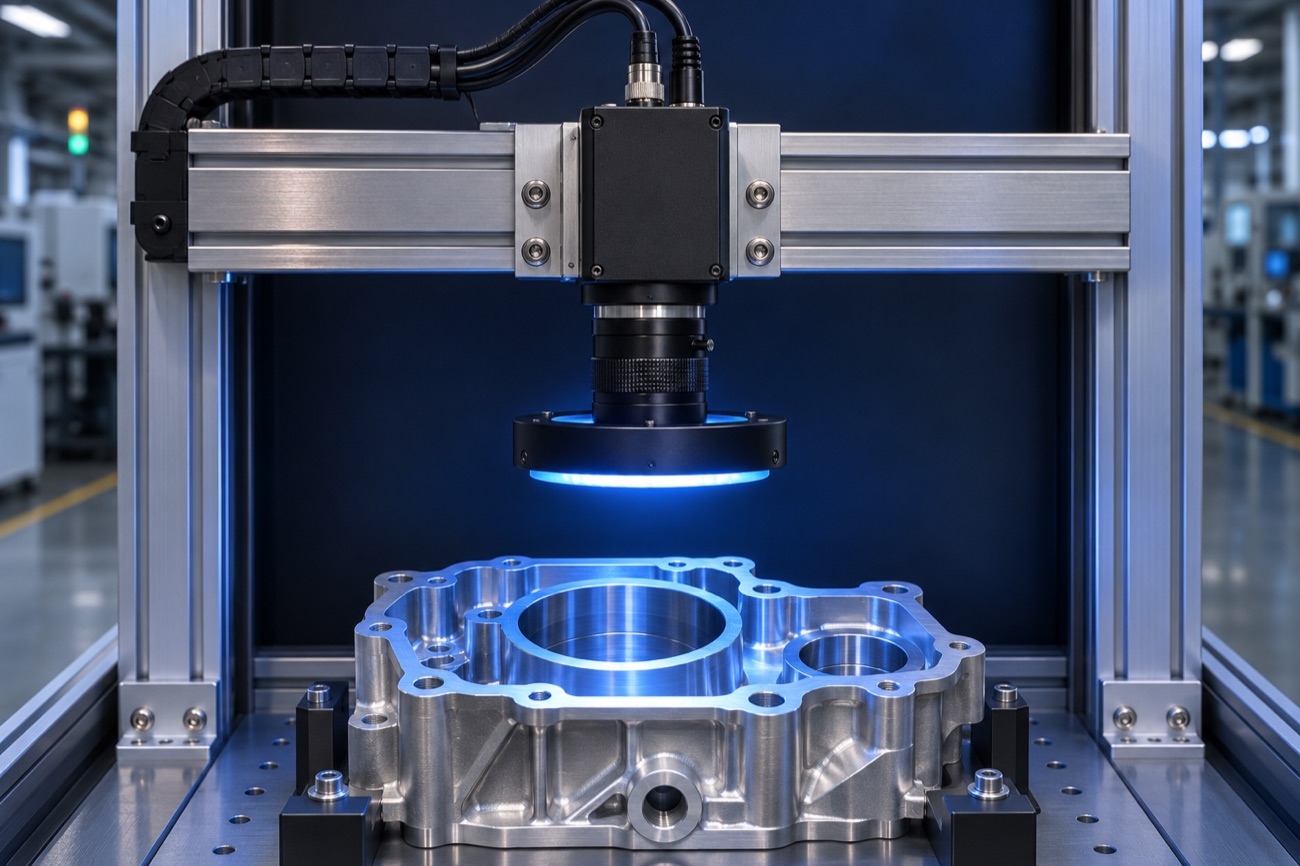
A reflective finish, an uncertain defect limit or an inconsistent part position can make the same inspection give different answers.
Explore inspection →INDUSTRIAL VISION DECISION SUPPORT
Decide what your line needs to detect, measure or move. Compare engineering options and see what to validate before committing to equipment.
Explore applications ↓Start with what is failing on the line. That tells you which capability needs to be tested first.
A reflective finish, an uncertain defect limit or an inconsistent part position can make the same inspection give different answers.
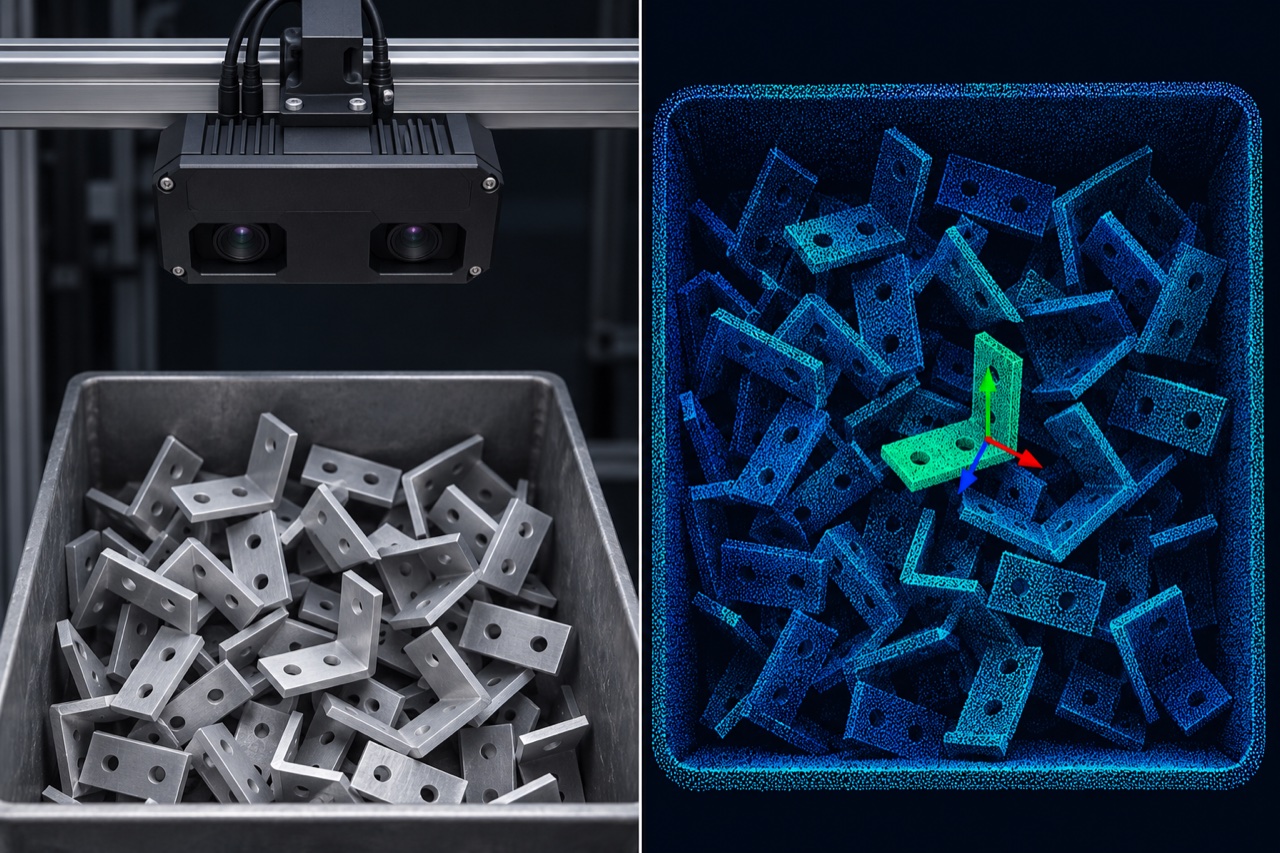
Explore inspection →Overlapping parts, changing tray positions or a tight placement tolerance can turn a usable image into an unreliable pick or handoff.
Explore vision-guided handling →Decide whether a part can move on.
Choose by the acceptance decision. Visible marks and surface condition go under surface inspection. A measured value against a tolerance goes under dimension and profile. Presence, position or orientation of assembled components goes under assembly verification.
Part presentation → imaging or measurement → pass/fail decision → confirmed line action
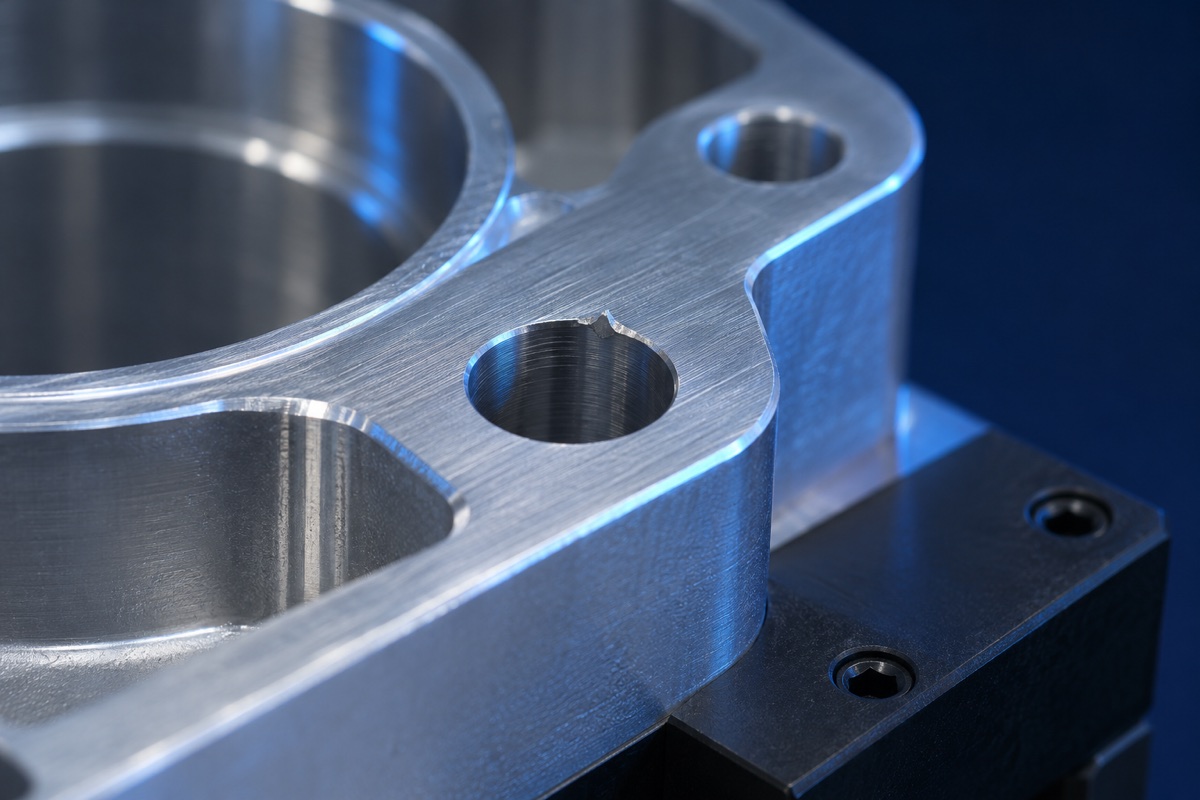
Find visible marks, burrs and scratches when acceptance depends on how the surface looks.
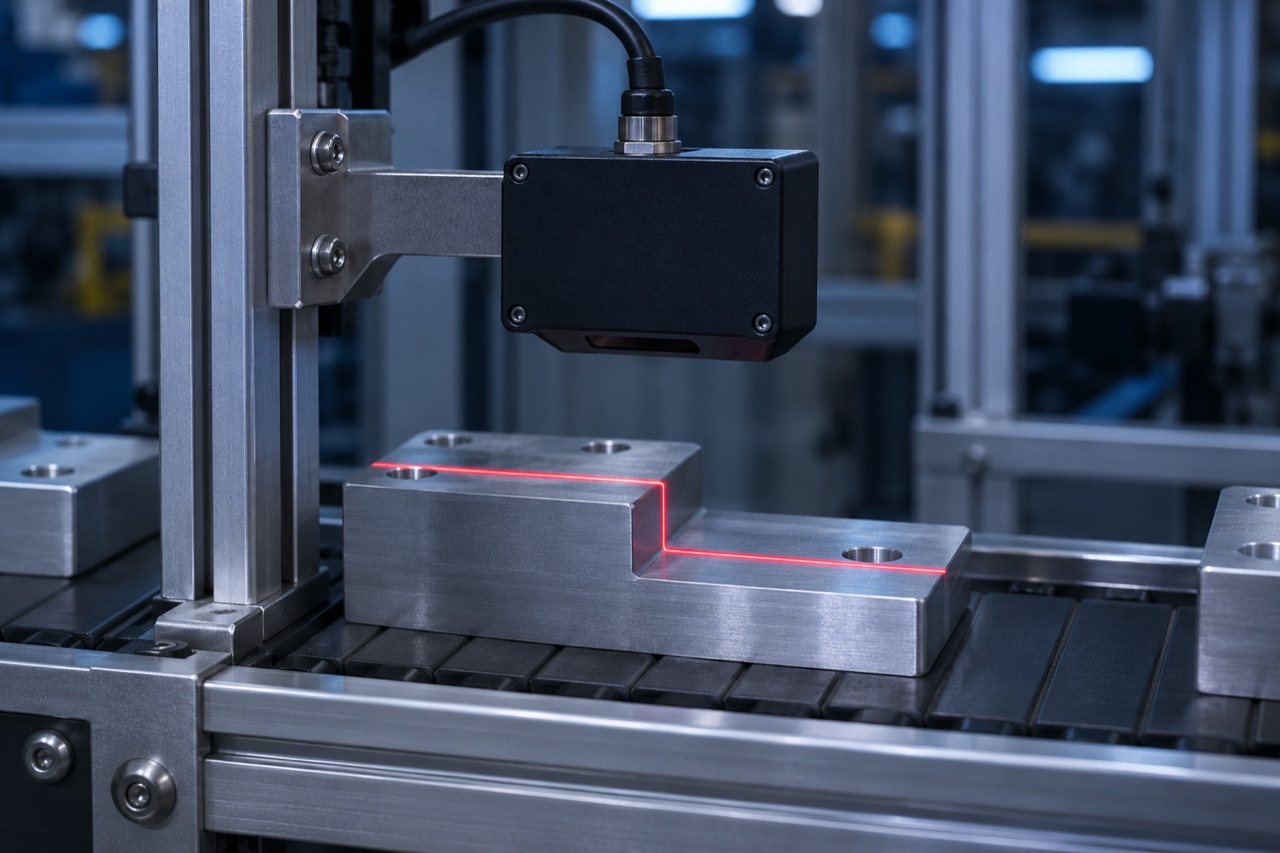
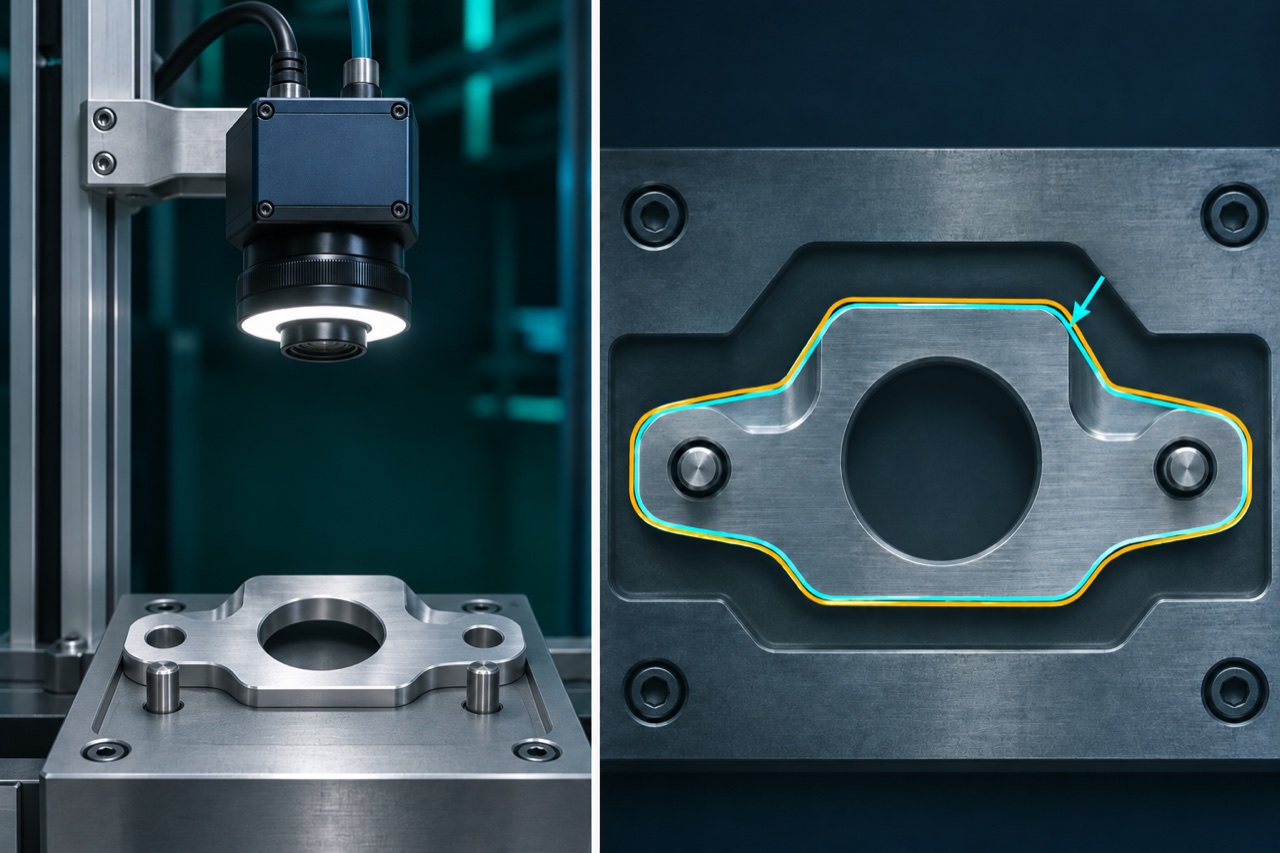
Compare a measurable dimension, height or profile against a defined tolerance.
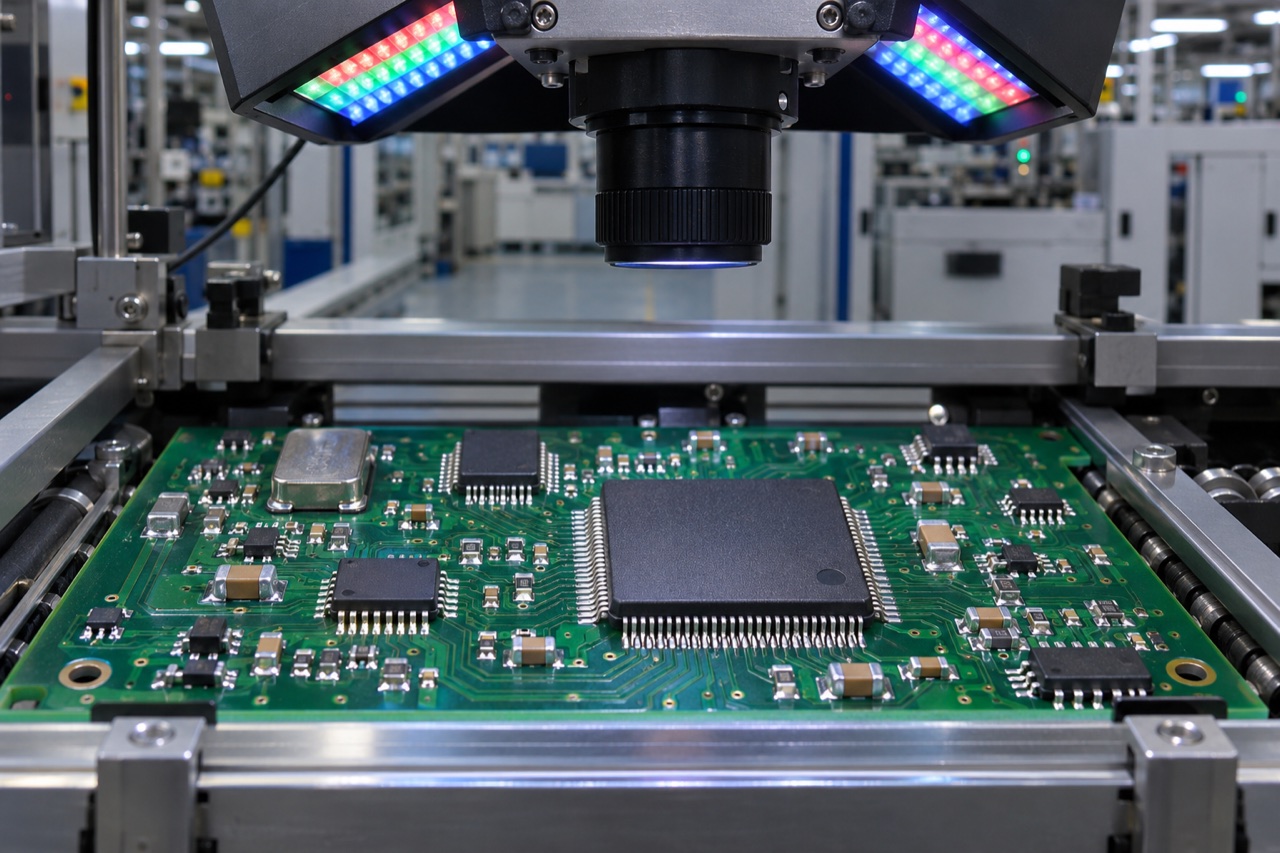
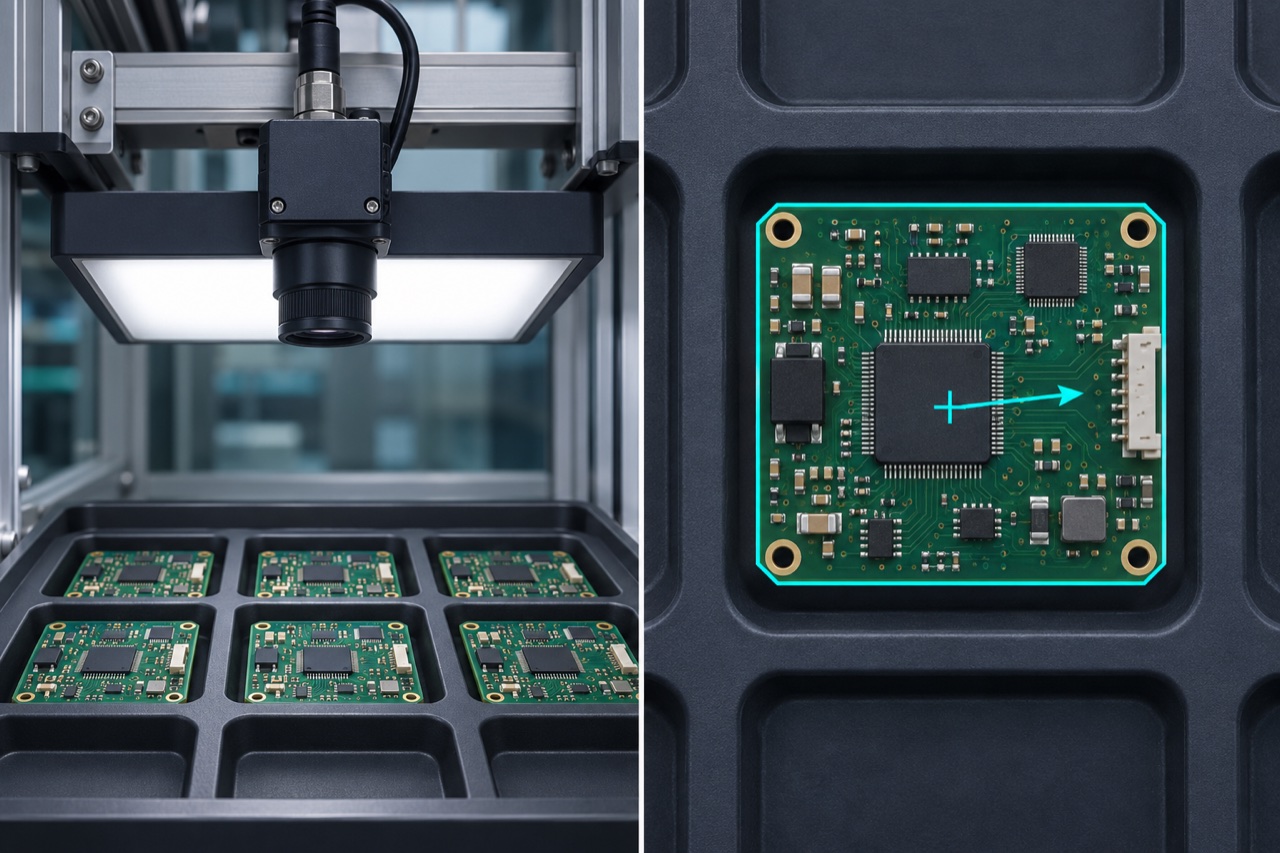
Check whether components are present and in the required position and orientation.
Move the right part to the right place.
Choose by what vision must resolve. If vision must correct the pose at the destination, choose alignment. Otherwise, choose bin picking when vision must locate a pickable part in loose supply, or transfer when a tray or fixture already presents the part.
Depth capture → calibrated part pose → grasp and motion → verified placement
Engineering decision support for industrial vision
We help engineering and procurement teams decide which approach fits a part, a tolerance and a production line. We compare the options, explain what would rule each one out, and identify which test could change the decision.
Our research on Chinese industrial vision suppliers gives the recommendation a concrete basis: model specifications, application examples and documented limitations. We flag what is known, what depends on your samples and what a supplier still needs to confirm.
For example, a 12 MP smart camera, a profiler with a 55 mm reference distance and an integrated sorter answer three different parts of a burr inspection problem. The example shows when to evaluate each and what still needs a sample test.
See an example review →See how we narrow sensor options →November 2026 research: 805 deduplicated leads screened against the application scope, 42 candidate sites reviewed in more depth and 133 hardware model records indexed from manufacturer materials. The index includes 106 area-scan models from one manufacturer.
We also mapped nine public support, testing and integration leads in the US and Japan. For a live project, we check which provider can take the work and confirm scope, availability and responsibility before any handoff.
Get a route shortlist, the evidence behind it and the next test from one project brief.
Compare published specifications and rule out poor fits before starting separate supplier conversations.
The burr example compares three routes: 2D imaging, 3D profiling and an integrated sorting station. A shortlist depends on which routes fit your application.
Compare equipment, fixtures, software, integration and support on the same scope. Spot scope differences before you decide which quotes to pursue.
Share the part, acceptance rule and line constraints once. Use the same summary to brief your team, request quotes and plan a sample test.
Choose the level of support that fits your decision.
Screened supplier pool and industry contacts
We match your part, process and qualification needs against our screened pool of Chinese suppliers and industry contacts. We explain why candidates fit, flag gaps and help with introductions or quote requests where appropriate.
Planning estimate: 2–3 business days for an initial sourcing reply once we have enough detail to assess the request.
Research, validation and on-site discussions
We help you compare technology routes, assess the Chinese supplier market and decide what to validate before committing. If an in-person visit would help, we can shortlist sites, prepare a technical agenda and coordinate supplier meetings or factory visits, subject to availability.
Planning estimate: 5–10 business days for a focused advisory report after scope and inputs are agreed. We confirm the delivery date before you commission work.
Share your project and we’ll confirm the scope, timing and any fees before work begins. Equipment, samples, travel and third-party testing are quoted separately where applicable.
Discuss your project →